
The Allure of Chance and Risk
The psychology behind casino gambling is fundamentally linked to the allure of chance and risk. Human beings are inherently drawn to the unpredictable nature of gambling, with the potential for large wins creating an enticing prospect like those found at neosurf casino . This captivating thrill is not solely about the monetary rewards; it encompasses the enjoyment of the game itself and the anticipation that accompanies each play. The emotional engagement that arises from these elements significantly enhances the overall gambling experience, compelling individuals to take risks they might otherwise avoid.
The casino environment is designed to amplify these feelings of excitement. With bright lights, engaging sounds, and vibrant colors, casinos create a euphoric atmosphere that stimulates the senses. This sensory overload has the potential to distort perceptions of time and reality, allowing players to become fully immersed in their gambling activities. As a result, they may lose track of their original intentions, whether it be to play for a short while or to limit their spending. The thrill of winning—even minor victories—triggers dopamine release in the brain, similar to the effects of other rewarding experiences, further deepening the psychological connection to gambling.
Moreover, the concept of variable rewards plays a crucial role in sustaining player engagement over time. Casinos implement strategies that keep players on edge through intermittent wins, creating an illusion of near misses that can be especially compelling. This unpredictability aligns with psychological principles known as “reinforcement schedules,” which are powerful motivators for continued gambling. Essentially, players begin to associate the casino experience with both thrill and reward, establishing a cycle that can be exceedingly difficult to break, leading to habitual behavior that may escalate over time.
The Role of Cognitive Biases
Cognitive biases significantly shape gambling behaviors, often leading players to make decisions that contradict logical reasoning. One prevalent example is the gambler’s fallacy, where individuals mistakenly believe that previous outcomes will influence future results. For instance, a player may think that if a certain number has not appeared in a game of roulette, it is «due» to come up soon. This flawed reasoning can prompt gamblers to wager larger amounts, convinced that their luck is on the verge of changing, which often leads to increased losses.
Confirmation bias further complicates the gambling landscape, as players tend to focus on their wins while conveniently overlooking their losses. This selective memory reinforces their beliefs in luck or skill, encouraging them to continue gambling with the hope of replicating their successes. As players accumulate experiences that validate these biases, it becomes increasingly challenging to step back and assess their gambling habits objectively. Consequently, cognitive biases can entrap individuals in a cycle of irrational decision-making, often causing them to chase losses instead of recognizing when to walk away.

Additionally, the influence of social dynamics can amplify these cognitive biases. When individuals gamble in groups, they often experience a heightened sense of camaraderie that may encourage them to take bigger risks or gamble longer than they would in isolation. This collective behavior, combined with cognitive biases, can create a dangerous mix that leads players to disregard their limits. Understanding these cognitive biases is essential for both gamblers and those who wish to intervene when harmful behaviors begin to emerge, as it can provide insight into the psychological traps that players may fall into.
The Emotional Rollercoaster of Gambling
The emotional highs and lows that accompany gambling are integral to understanding the psychology behind this activity. Winning can produce an exhilarating rush that keeps players returning for more, while the despair that accompanies losing can lead to profound emotional distress. This rollercoaster of feelings can create an addictive cycle; players often find themselves chasing the high of their last significant win, convinced that they can replicate their success. This dynamic illustrates just how closely emotions are tied to gambling decisions, leading to a complex interplay between mood and behavior.
Moreover, the stress associated with financial risk can have detrimental effects on mental health. Gamblers may experience heightened anxiety, feelings of depression, and even a sense of worthlessness when faced with substantial losses. This cyclical nature of emotions can entrap individuals in a damaging loop, where they gamble more in an attempt to escape negative feelings, ultimately exacerbating their challenges. Recognizing that gambling extends beyond mere chance to encompass emotional states is vital for understanding its psychological implications.
Support systems can play a crucial role in helping individuals navigate this complex emotional landscape. Establishing healthy boundaries, setting spending limits, and seeking professional help are essential steps for those struggling with gambling-related issues. Understanding that gambling can serve as an emotional outlet highlights the need for developing healthier coping strategies. This approach enables individuals to break free from the compulsive cycle of gambling while still enjoying the social aspects of gaming in a responsible manner.
The Impact of Environment and Design
The design of a casino is a carefully curated environment that aims to influence player behavior significantly. Elements such as layout, lighting, and sound all contribute to creating an atmosphere that encourages extended play. Casinos are often constructed with a labyrinth-like design, making it challenging for players to find their way out. This strategic layout keeps gamblers in the gaming area longer and reduces the likelihood of them leaving after a loss, ultimately enhancing the casino’s bottom line.
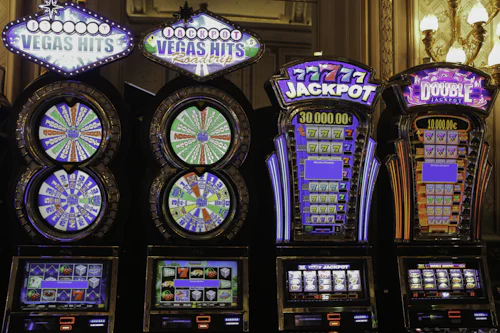
Ambient sounds, such as the chimes of slot machines and upbeat music, are meticulously selected to create excitement and foster a sense of urgency. Studies reveal that specific sound frequencies can boost engagement levels and stimulate the desire to gamble. Furthermore, the illusion of luxury and reward, often conveyed through lavish decor and the availability of complimentary drinks, further entices players to immerse themselves in the experience. This engineered environment can lead to an altered state of consciousness, making it easier for individuals to lose track of both time and money spent.
However, the impact of the environment extends beyond aesthetics. The combination of visual, auditory, and olfactory elements can evoke psychological responses that reinforce gambling behavior. The carefully crafted ambiance enhances the thrill of the experience, making it essential for gamblers to understand the influence these design elements have on their decision-making. Awareness of these psychological triggers can empower players to make more informed and conscious choices regarding their gambling activities.
Understanding Responsible Gambling
A crucial aspect of the conversation surrounding gambling is the promotion of responsible gaming practices. Both casinos and online platforms have begun to implement measures aimed at encouraging safer gambling behaviors, recognizing the psychological effects that gambling can have on individuals. These measures may include self-exclusion options, where players choose to limit their gambling activities voluntarily, as well as resources for seeking help. Advocating for responsible gambling is essential for preventing addiction and fostering a healthier gaming culture.
Educational initiatives play a significant role in raising awareness about the psychological aspects of gambling. By informing players about the risks associated with gambling, they can better recognize unhealthy patterns and behaviors. Understanding psychological triggers, such as the thrill of winning or social pressures to gamble, allows individuals to make informed choices and set appropriate limits on their activities. This knowledge can lead to more enjoyable experiences devoid of the emotional turmoil often associated with gambling.
Creating supportive communities for individuals affected by gambling is also integral to promoting responsibility. Various organizations and platforms dedicated to gambling addiction support provide resources that foster discussion and connection among individuals facing similar challenges. By focusing on awareness and responsibility, the industry can work towards balancing the enjoyment of gambling with the need for mental health advocacy and support. Ultimately, the goal is to create an environment where individuals can engage in gambling in a manner that is both enjoyable and safe.